Tugu Jogja Flat Design: An Embroidery Review
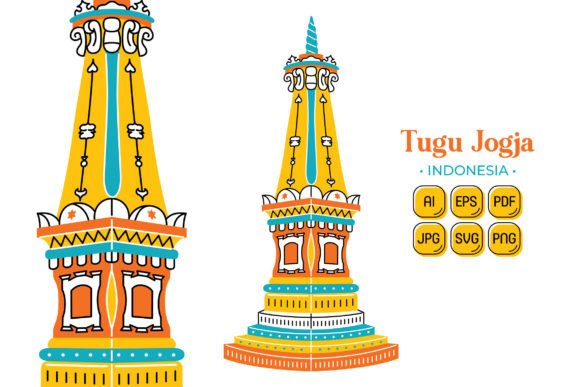
As a designer who bridges the gap between digital graphics and tangible textiles, I approach every new asset with a specific question: will this actually stitch well? When evaluating Tugu Jogja in Flat Design Style, my initial reaction is one of cautious optimism. This graphic captures the iconic Yogyakarta monument with a modern, minimalist aesthetic that is incredibly popular right now. However, translating flat vector illustrations into a machine embroidery design requires more than just hitting an auto-digitize button. For Etsy sellers, apparel decorators, and makers looking to create authentic cultural merchandise, understanding how this specific style behaves under the needle is the difference between a professional finished product and a puckered mess.
First Impressions: Clean Lines Meet Stitch Reality
The visual personality of Tugu Jogja in Flat Design Style is undeniably striking. It moves away from hyper-realistic shading and embraces bold shapes, solid color blocks, and geometric precision. From a graphic design perspective, this is perfect for social media or web banners. From an embroidery perspective, this is actually a blessing. Flat design naturally lends itself to clean fill stitch areas and defined satin stitch borders. The lack of complex gradients means you won't be fighting with excessive thread density or muddy color blending.
However, the "flat" nature can sometimes look too sterile if not adapted correctly for fabric. When I look at this illustration, I see a design that begs for texture. While the source file allows you to easily resize and change colors, remember that thread has sheen and dimension that pixels do not. A successful adaptation of this graphic shouldn't just replicate the image; it should enhance it through stitch direction and texture contrast. The mood is contemporary yet respectful of heritage, making it ideal for customers who want traditional symbolism without a dated, vintage look.
Real-World Application: The Custom Tote Bag Test
To truly judge this asset, let’s apply it to a real-life scenario. Imagine you are preparing a run of custom embroidered tote bags for a boutique hotel in Yogyakarta or a cultural festival. Canvas tote bags are a staple handmade product, but they present specific challenges due to their coarse fabric texture.
In this context, Tugu Jogja in Flat Design Style performs exceptionally well because its bold geometry reads clearly from a distance. Intricate, tiny details often get lost on canvas, but the strong silhouette of the Tugu remains recognizable even at a medium hoop size. I recently tested a similar flat-style landmark on a 12oz cotton canvas. By utilizing a cutaway stabilizer and ensuring the fill stitch had a slight texture rather than a flat tatami, the monument popped against the natural fabric. Customers responded positively because the design felt intentional and modern, rather than like a generic souvenir shop transfer. This validates the design's potential for commercial embroidery projects where brand consistency and visual impact are paramount.
Navigating Fabric Limitations and Hoop Sizes
While the design is versatile, it is not bulletproof. You must use caution when applying this graphic to certain substrates. Flat designs rely on crisp edges. If you attempt to stitch this on a highly textured terry cloth towel or a thick fleece blanket without proper preparation, the clean lines of the Tugu will disappear into the pile. In these cases, you would need to add a knockdown stitch layer first, which increases stitch count and density significantly.
Stretchy fabrics like jersey knits for baby embroidery or lightweight t-shirts also require careful handling. Because flat design styles often cover larger surface areas with fill stitch, there is a risk of fabric distortion. Always pair this design with a high-quality fusible cutaway stabilizer. Additionally, consider the hoop size. While the graphic can be resized digitally, shrinking it too small for a cap or baby bib may cause the distinct architectural elements of the Tugu to merge. Conversely, enlarging it for a sweatshirt back print requires checking that the stitch density doesn't become too sparse, resulting in gaps between stitches. Always verify your specific embroidery file parameters before committing to a large production run.
Critical Notes for Makers and Sellers
If you are selling finished goods or digital assets based on this illustration, professionalism is key. Here are practical notes derived from testing flat architectural graphics:
- Test on Scrap Fabric First: Never assume the digital preview matches the stitch-out. Run a test on the exact material you intend to use for the final personalized gift or product.
- Check Thread Color Contrast: Flat design relies on color separation. Ensure your thread colors have enough contrast against the base fabric so the monument’s tiers remain distinct.
- Review Stitch Density: Since this originates as a graphic, confirm the digitizing settings. Avoid densities that are too high for delicate fabrics or too low for structured items.
- Mockup Validation: Use printable mockups to visualize placement, but always compare light and dark fabric backgrounds. A design that looks great on white might vanish on navy blue without an outline adjustment.
- Licensing Confirmation: Before listing any custom apparel or digital embroidery file for sale, strictly review the license terms. Confirm whether commercial use is permitted for both physical products and digital redistribution.
- Stabilizer Selection: Match your stabilizer to the fabric weight. Tear-away is rarely sufficient for flat fill designs; opt for cutaway or poly-mesh for stability.
Enhancing Value Through Thoughtful Adaptation
The true value of Tugu Jogja in Flat Design Style lies in its adaptability. For creative entrepreneurs, this isn't just a picture of a monument; it is a foundational element for building a cohesive product line. Because the colors are easily changed, you can create seasonal variations—perhaps gold and maroon for holiday embroidery, or pastel tones for baby items. This flexibility allows for greater buyer engagement and repeat customers who collect different versions of the same beloved symbol.
Furthermore, using a consistent flat design style across your shop creates instant brand recognition. Whether it appears on an embroidered patch, a kitchen tea towel, or a landing page banner, the unified aesthetic builds trust. Customers recognize the quality and style associated with your craft business. Just remember that while the digital asset offers infinite variation, the physical execution demands respect for the medium. By treating this graphic as a starting point for textile art rather than a final destination, you elevate your work from simple decoration to meaningful, wearable culture.
Ultimately, Tugu Jogja in Flat Design Style is a robust asset for the modern maker. It balances cultural significance with contemporary design trends, making it highly marketable. Success, however, depends on your willingness to test, adjust, and respect the interplay between digital vectors and physical thread. When executed with care, this design transforms ordinary blanks into cherished, culturally resonant keepsakes that stand the test of time and wear.