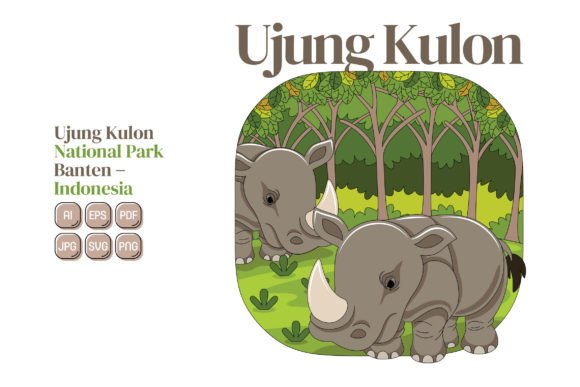
Ujung Kulon National Park Vector: Editorial Graphics Review
As a digital publisher and blog designer, I constantly evaluate how visual assets perform in live editorial environments. When reviewing the Ujung Kulon National Park Vector, my primary focus is not just on artistic merit, but on functional utility within a content marketing workflow. This graphic design asset immediately strikes me as a versatile solution for travel publishers, eco-tourism affiliates, and educational content creators who need to convey the lush, biodiverse essence of Indonesia without relying on heavy, slow-loading photography. The illustration style bridges the gap between artistic expression and clean web design, offering a modern aesthetic that feels both professional and inviting.
The editorial mood created by this vector is distinctly organic yet structured. Unlike chaotic hand-drawn sketches or overly corporate stock vectors, this asset maintains a balanced visual hierarchy. It supports niches focused on sustainable travel, wildlife conservation, and Southeast Asian tourism. For a blogger preparing a comprehensive guide to Java’s national parks, this illustration establishes immediate reader trust. It signals that the content is curated and thoughtful rather than generic. The color palette and composition naturally lend themselves to lifestyle-focused storytelling, making it an excellent anchor for articles that aim to inspire exploration while maintaining high readability standards.
Deploying Visuals Across the Publishing Ecosystem
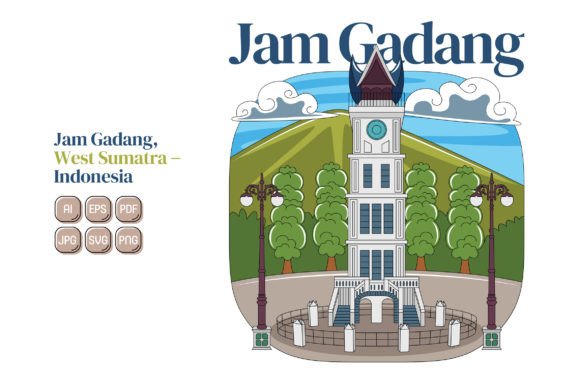
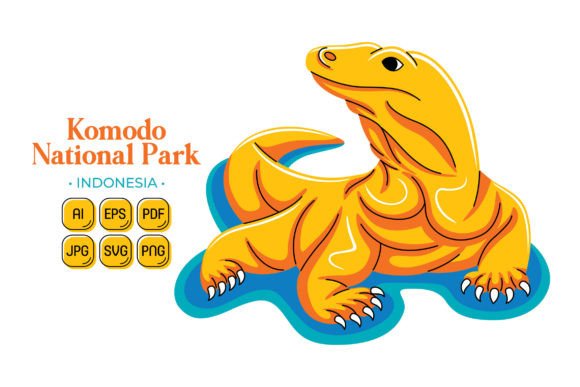
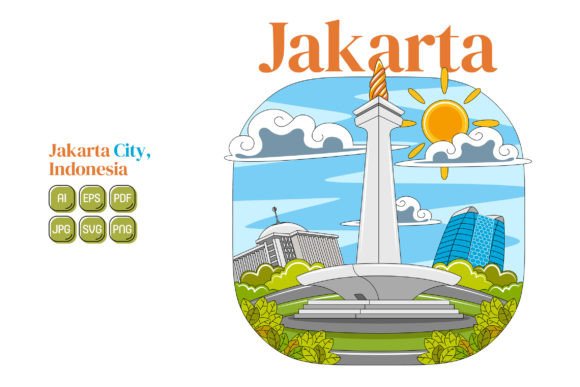
In a real-world publishing scenario, versatility is the metric that determines return on investment for any digital download. My new product Indonesia Travel Destination Vector Illustration allows you to create countless variations for infographics, social media, printing material, website, landing page, banner, and other illustrative needs. This adaptability is crucial for maintaining brand identity across different platforms. As a featured image for a blog post, the vector provides a vibrant, clickable focal point that stands out in RSS feeds and search results without competing with text overlays.
For Pinterest marketing, this asset is particularly valuable. Pinterest pins require vertical compositions with clear negative space for typography. Because this is a vector-based graphic, you can easily adjust the artboard size or rearrange elements to fit the 2:3 aspect ratio without losing quality. I have found that illustrated pins often achieve higher save rates in the travel niche because they feel more like exclusive content upgrades than repurposed photos. Furthermore, when creating lead magnets such as packing checklists or digital guides for Ujung Kulon, this illustration serves as perfect cover art. It elevates the perceived value of your freebie, encouraging more email signups and strengthening your affiliate marketing funnel.
Enhancing Reader Engagement and Site Performance
Beyond aesthetics, this graphic design asset directly impacts content performance metrics. Website headers featuring custom illustrations often reduce bounce rates because they load instantly compared to high-resolution hero photographs. In web design, speed equals retention. By utilizing this Ujung Kulon National Park Vector, you ensure that your above-the-fold content renders sharply on all devices, from 4K desktop monitors to budget mobile screens. This technical advantage supports better Core Web Vitals scores, which is increasingly important for SEO rankings in competitive travel categories.
From a conversion perspective, consistent use of this creative design element helps build category recognition. When readers see this specific illustrative style associated with your Indonesia travel content, they begin to recognize your posts in their feed. This visual shorthand strengthens small business branding and fosters loyalty. Additionally, vectors are inherently scalable, meaning your social media graphics and newsletter headers will always look crisp. There is no pixelation or compression artifacting, which preserves the professional polish necessary for monetized websites and commercial design projects.
Strategic Placement for Maximum Editorial Impact
Knowing where to place an asset is as important as the asset itself. This illustration works best as a primary visual anchor. Use it as the main hero image for destination guides, the header for newsletter campaigns promoting eco-tours, or the central graphic in an infographic detailing park biodiversity. It also excels as a background element for Canva templates intended for Instagram Stories or YouTube thumbnails. The distinct shapes and colors provide enough visual interest to stop the scroll while leaving adequate room for bold headlines and calls to action.
However, publishers must exercise restraint in certain contexts. Avoid using this detailed illustration as a tiny thumbnail in a dense sidebar widget; the intricacies will be lost at small sizes, resulting in visual noise. Similarly, if your blog layout is already text-heavy with multiple competing sidebars, adding a complex vector might overwhelm the reader. In serious corporate reports or minimalist luxury travel sites, verify that the illustrative tone aligns with the overall brand voice. While modern design trends favor illustration, some ultra-premium audiences still expect photorealism. Always test the asset against your specific audience's expectations before committing it to a permanent site-wide template.
Publisher Workflow Notes and Technical Best Practices
Before integrating this asset into your live site, run through a practical pre-publish checklist. First, test the contrast. Place white and dark text over various sections of the illustration to ensure legibility. If the vector lacks sufficient negative space, add a semi-transparent overlay in your design software. Next, evaluate font pairings. This style typically pairs beautifully with clean sans-serif fonts for modern travel blogs, but can also work with serif typefaces for a more academic or historical editorial feel. Avoid overly decorative script fonts that might clash with the organic lines of the artwork.
- File Optimization: Even though vectors are lightweight, export them as optimized SVGs or compressed PNGs for web use to maintain fast load times.
- Licensing Verification: Always confirm the commercial license terms before using the asset on affiliate pages, paid courses, or merchandise. Ensure your usage rights cover the specific monetization methods of your digital product.
- Mobile Preview: View the graphic on an actual phone screen, not just a browser inspector. Colors and details can shift significantly on smaller displays.
- Accessibility: When implementing this as an img tag, write descriptive alt text that conveys the scene for visually impaired users, rather than just naming the file.
- Brand Consistency: Create a saved preset or template using this vector so future social media graphics maintain identical color grading and positioning.
Ultimately, the Ujung Kulon National Park Vector represents a smart acquisition for content creators looking to professionalize their visual strategy. It solves common publishing pain points regarding image sourcing, licensing clarity, and site performance. Whether you are building a printable design shop, running an affiliate blog, or crafting educational materials, this asset provides the foundational quality needed to compete in today’s visual-first digital landscape. By treating this illustration as a core component of your editorial system rather than a one-off decoration, you unlock its full potential to drive engagement and revenue.